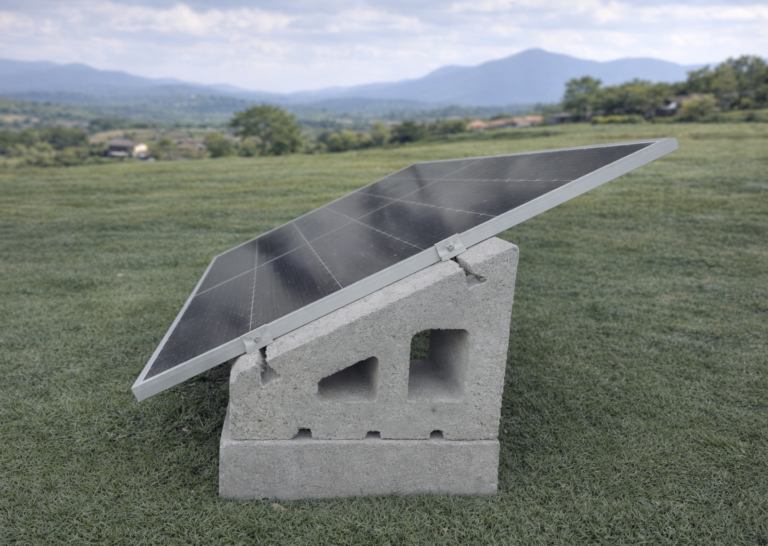
Concrete ballasts for solar panels
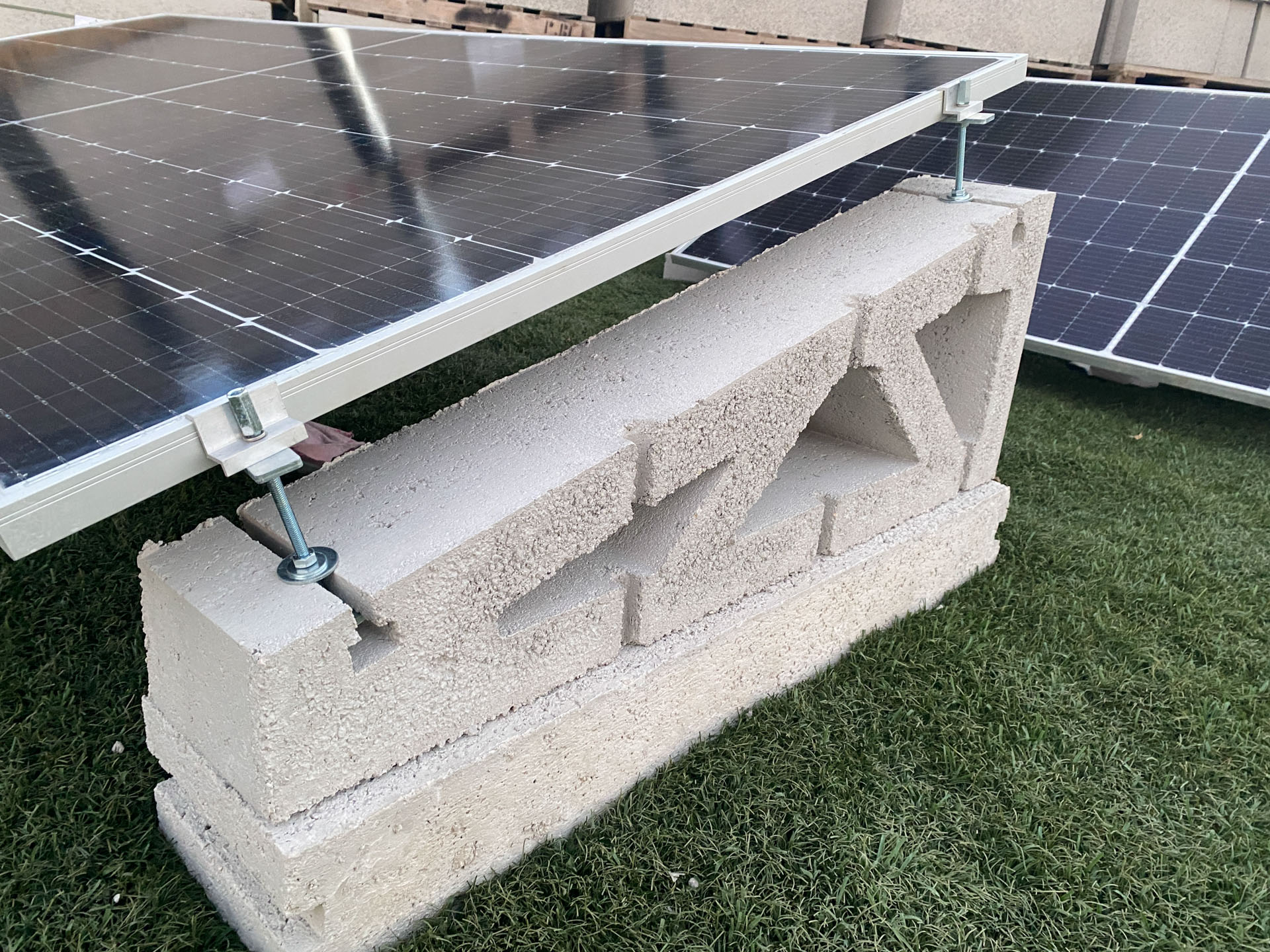
At Hormicad, we manufacture specific concrete ballasts for photovoltaic structures, designed to increase wind stability without the need for mechanical anchors or roof penetrations.
Our additional ballasts are optimized to work with our concrete structures in rooftop installations and solar farms, ensuring safety, durability, and regulatory compliance.
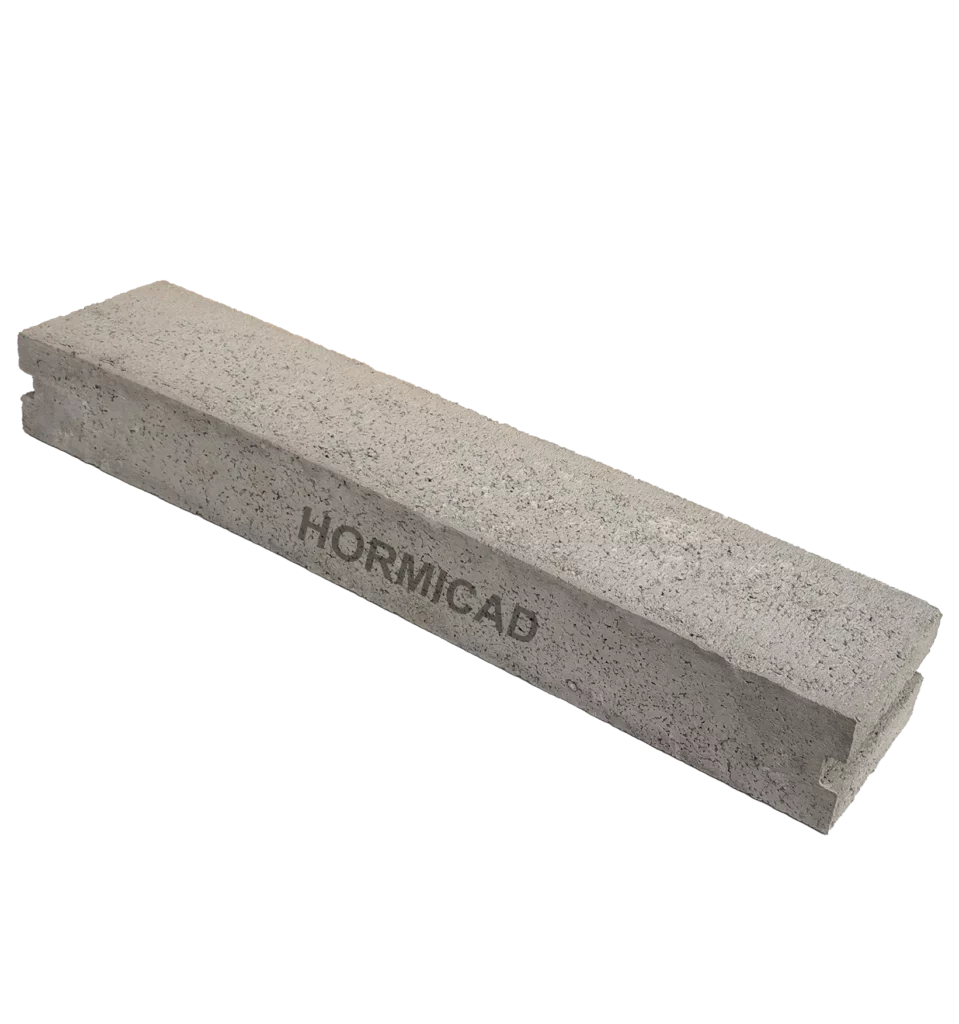
Hormicad concrete ballast models
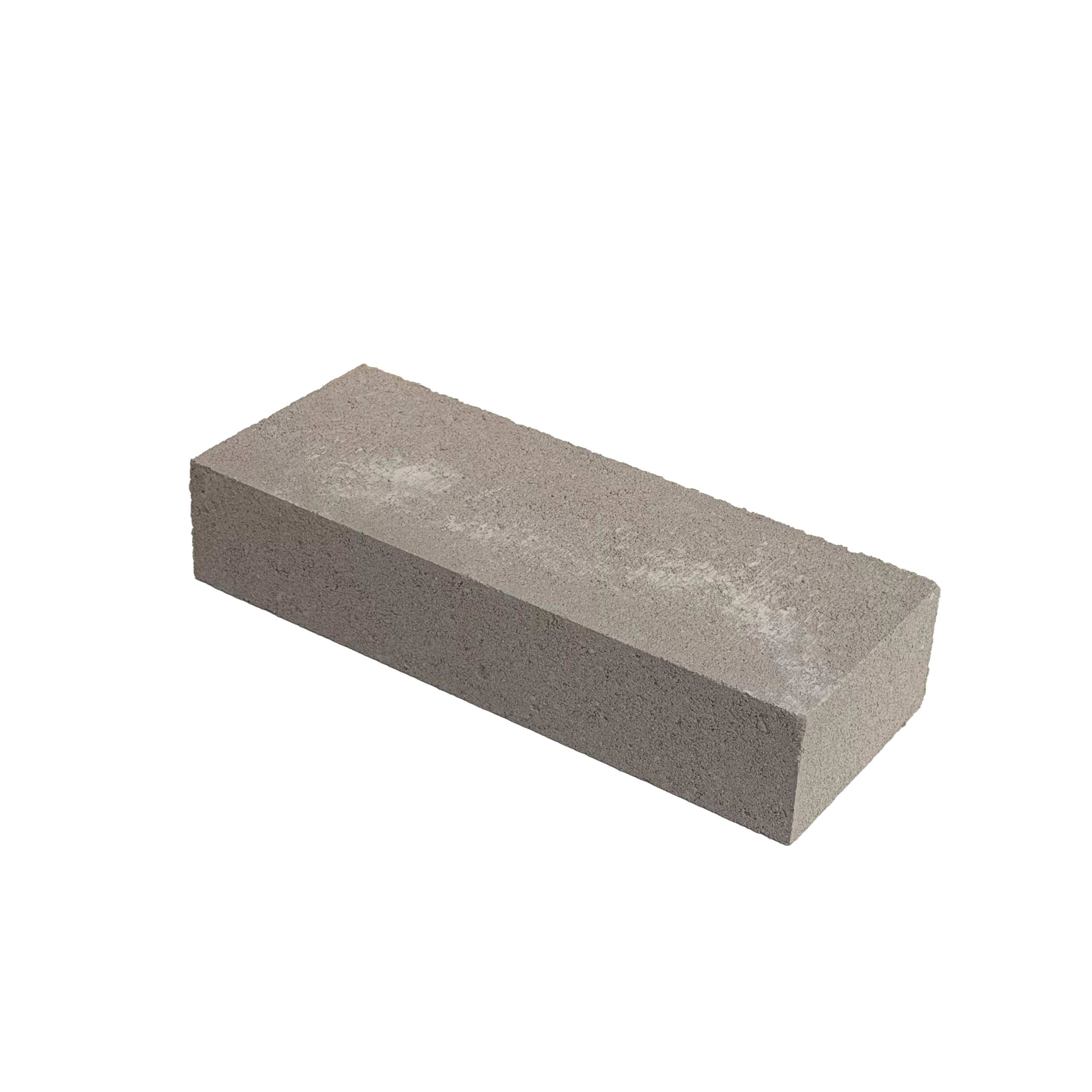
Ballast 50x20x10 cm – 22 kg
Manufactured in vibrated and pressed concrete with specific additives in collaboration with CEMEX , this model is designed to increase structural resistance in 30-degree supports.
Technical specifications:
Weight: 22 kg
Dimensions: 50 x 20 x 10 cm
Units per 30° structure: 2 units
Joining method: polyurethane adhesive bead
Advantages:
Uniform weight distribution
Easy handling on site
High weather resistance
Perfect integration with Hormicad structure
Ideal for rooftops and solar farms with moderate reinforcement needs.
Ballast 96x20x12 cm – 55 kg
Higher weight and length model, especially suitable for 15-degree supports .
Technical specifications:
Weight: 55 kg
Dimensions: 96 x 20 x 12 cm
Units per 15° structure: 1 unit
Joining via polyurethane adhesive
Advantages:
Greater structural stability
Especially recommended in high wind areas
Manufactured with high-resistance concrete
Long-term durability
Perfect for installations on industrial roofs or solar parks.
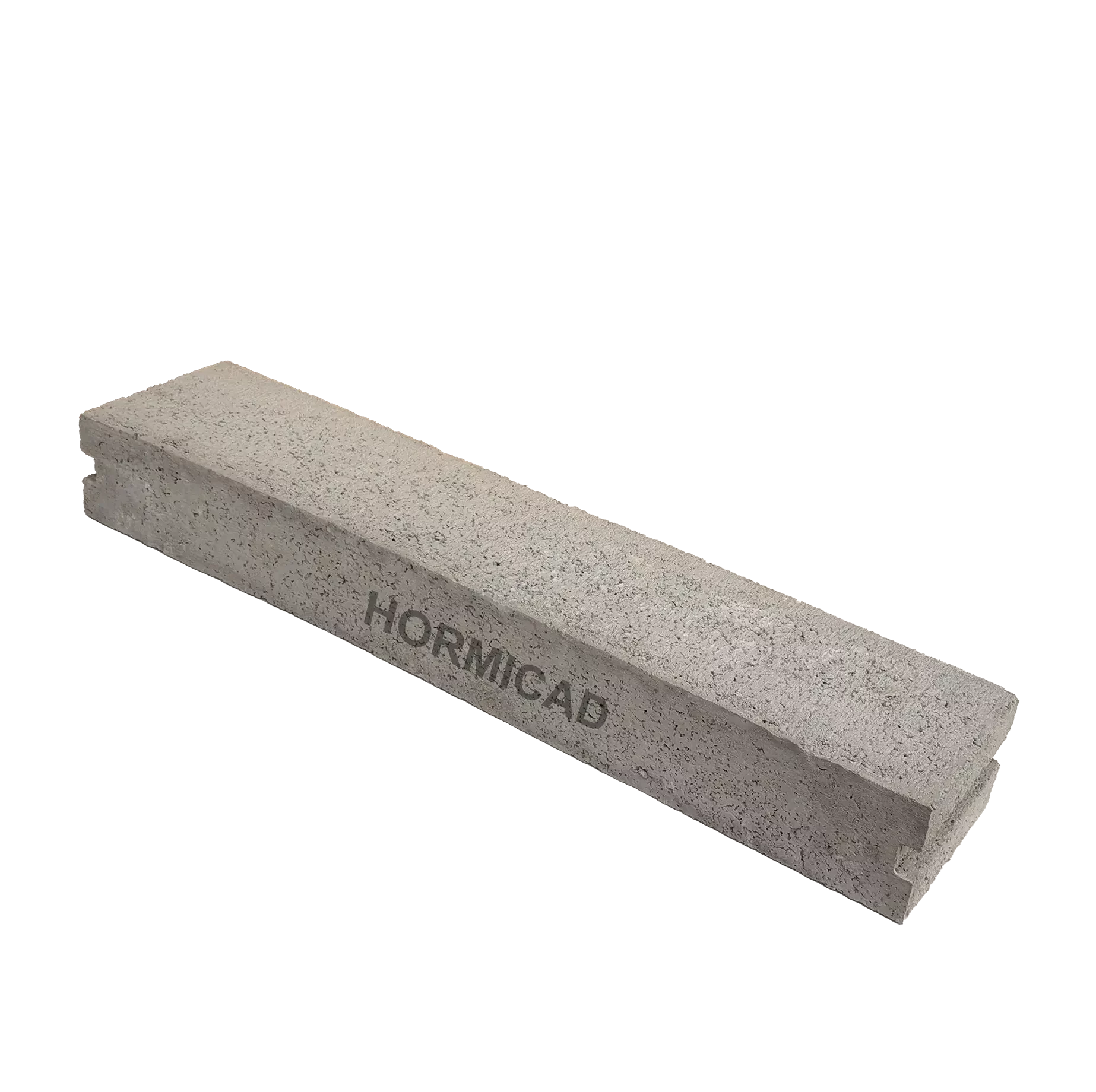

Joining method and structural safety
The ballasts are fixed using a specific polyurethane sealant adhesive bead for joining concrete parts .
This system allows for:
Firm and durable bond
Fast installation
No special tools
No roof penetrations
Applications of Hormicad ballasts
Frequently asked questions
It depends on the support model. For 30-degree structures, 2 units of 50x20x10 cm are used , while for 15-degree structures, 1 unit of 96x20x12 cm is used.
Yes, the system is designed for fixation via polyurethane bead, ensuring a secure and stable bond.
The required weight depends on several factors: wind zone, building height, roof type, support inclination, and module size. At Hormicad, we recommend consulting with our technical department to ensure correct weight distribution and compliance with the Technical Building Code.
No. When combined with a rubber mat and installed correctly, the ballasts distribute weight uniformly and do not require drilling, protecting the roof’s waterproofing.